Metro advertising works.
Metro advertising works.
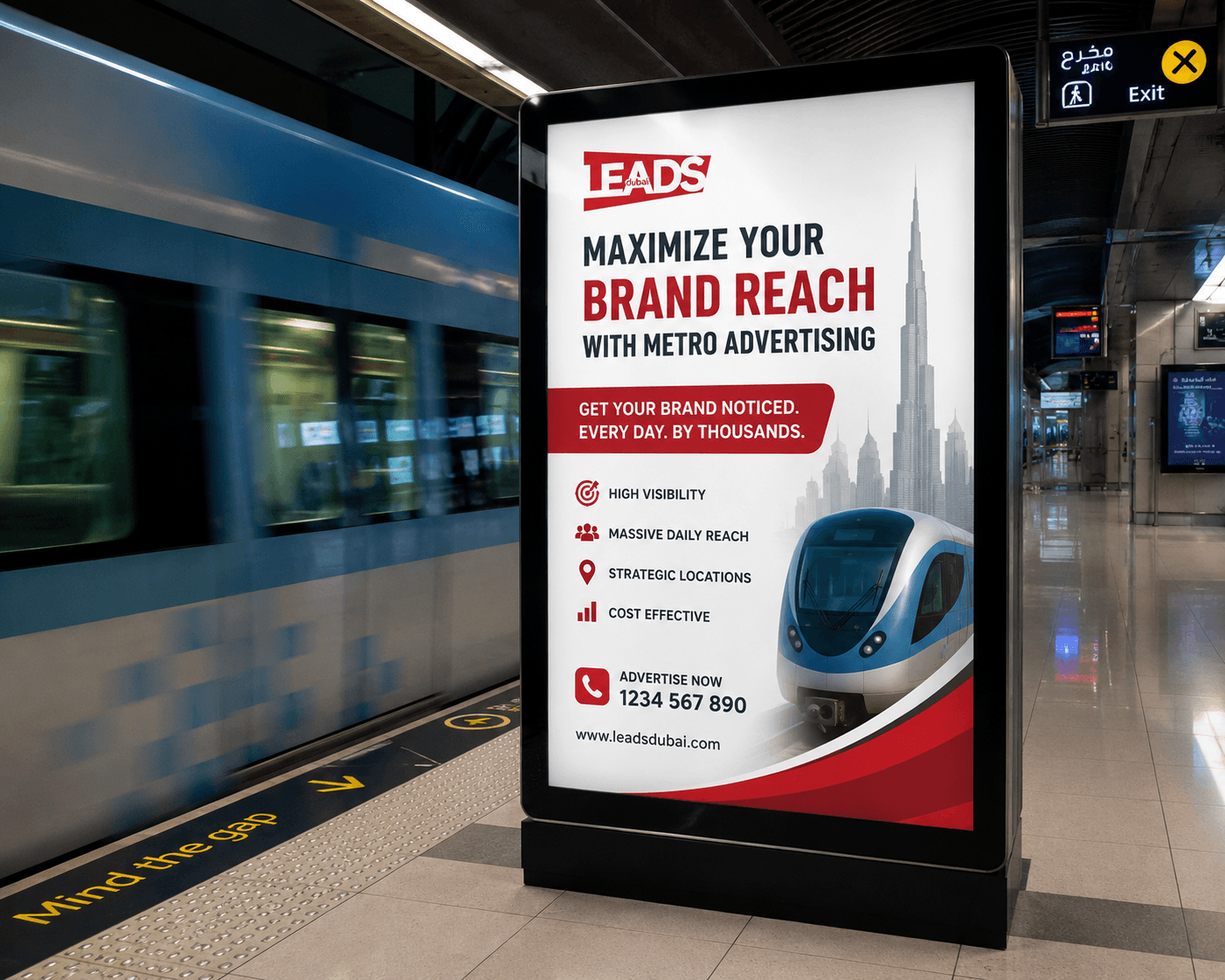
The Numbers Behind Dubai Metro Advertising
What is metro advertising
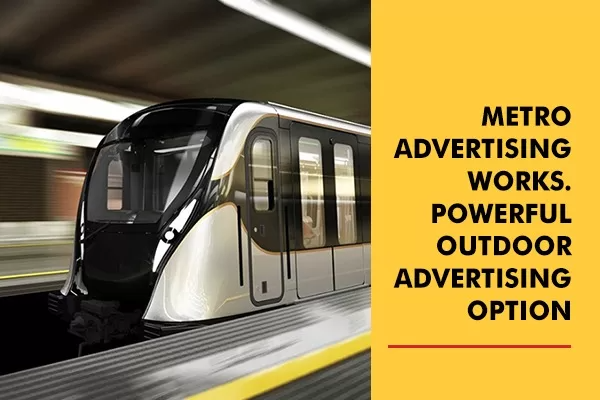
Metro advertising is also known as subway advertising or transit advertising. It refers to the practice of placing advertisements within subway or metro rail systems. This form of advertising utilizes a variety of ad formats which includes:
- Tube advertising
- Side walks metro
- Posters inside metro
- Metro digital screens
- Train wraps
- Billboards on metro bridges
- Floor graphics
- Inside metro stations & platforms
Metro station branding
Metro is the most convenient and faster way for daily commuters, tourists, students, and frequent travelers. Any time of the day there is a heavy rush of people going to various places. Hence if you advertise in Metro, it will capture the attention of the audience who could be interested in your offer.
What can you advertise with metro
There are many benefits of metro advertising. Say, you want to promote your event, real estate, local service like salon, restaurants, health services, Ecommerce, online service, promote your application, education and much more. ( your QR code can help them scan and order while in metro. ) When you advertise inside metro, you get high visibility and exposure which is needed for your brand
The frequent travelers see your ads everyday when they commute. Imagine the brand awareness!
Cost of metro advertisement
Metro advertising rates can vary from 50,000 – 200,000 too. Depends which placements you’re looking for and what time of the year. Advertising cost of metro is not high as they have multiple options. Metro advertising offers a cost-effective way to reach a wide audience, making it an attractive option for businesses of all sizes.
Best metro advertising services company in Dubai, UAE
Contact us for Metro Advertising in Dubai / UAE.
Check with us for best Metro Advertising Combo Offer Right Now, Call +971 50 304 7470
So what are you planning to promote via metro ads. Talk to us for your next campaign.
Frequently asked questions on metro advertising
Metro advertising refers to advertising within the subway or metro rail systems. It includes various forms of advertisements such as posters, digital screens, billboards, and more.
Metro advertising offers high visibility and exposure to a diverse urban audience. It can reach a large number of commuters, including business professionals, students, and tourists.
Metro advertising can take various forms, including platform posters, train wraps, digital screens, billboards, floor graphics, and escalator ads.
To advertise in the metro, you typically need to contact the transit authority or the advertising agency responsible for managing metro ads in your city. They can provide you with information on available spaces, pricing, and scheduling.
The cost of metro advertising varies depending on factors such as location, ad format, duration, and the city's size. It's best to contact the advertising agency for specific pricing details.
Metro advertising allows you to target specific demographics by choosing the right locations and ad designs. For example, you can target professionals in business districts or tourists near popular attractions.
The minimum campaign duration can vary, but it's often several weeks or months. Longer campaigns may provide better exposure and cost savings.
Metro ads typically have guidelines and restrictions on content. They should be non-offensive, non-discriminatory, and comply with local regulations and policies.
Yes, some metro advertising options offer tracking and analytics to measure the reach and impact of your campaign, such as the number of views and engagement.
Successful metro advertising campaigns often use creative and eye-catching designs. For example, campaigns for movies, events, and public service announcements have been effective in metro environments.
Metro ads refer to advertising placements within the metro system, including stations, trains, and related infrastructure. These advertisements are strategically placed to reach a large audience of commuters who use the metro for daily transportation. Metro ads can take various forms such as:
- Station Ads: Posters, billboards, and digital screens placed in metro stations where commuters wait or pass through
- Train Ads: Ads displayed inside metro trains, including posters above seats, digital screens, or full train wraps
- Platform Ads: Ads positioned on platforms within metro stations, such as banners, digital displays, or floor graphics. Metro ads are effective for targeting a diverse audience during their daily commute, offering high visibility and repeated exposure to commuters who often pass through metro stations multiple times a day. These ads can promote products, services, events, or brand messages in a dynamic urban environment where traditional advertising methods may have limited reach
Adverts work by strategically promoting products, services, or messages to target audiences through various channels. Here's how they typically operate: - Target Audience Identification: Advertisers identify their target audience based on demographics, behaviors, and interests to ensure their ads reach the right people. - Channel Selection: They choose appropriate channels such as TV, radio, print media, digital platforms (websites, social media), outdoor (billboards, transit), or direct mail based on where their audience is most likely to see and engage with the ad.
- Creative Development: Advertisers create compelling ad content that captures attention, communicates the message clearly, and resonates with the audience. This involves copywriting, graphic design, and possibly video production.
- Ad Placement: Ads are placed in strategic locations or time slots to maximize visibility and impact. For example, TV commercials during prime time, digital ads targeted at specific online users, or billboards in high-traffic areas.
- Campaign Management: Ad campaigns are managed to ensure they run smoothly and achieve objectives. This includes setting budgets, monitoring performance metrics (e.g., reach, engagement, conversions), and making adjustments as needed.
- Measurement and Optimization: Advertisers measure the effectiveness of their campaigns using metrics like ROI, click-through rates, conversion rates, and brand awareness surveys. They use this data to optimize future campaigns for better results. Ultimately, adverts aim to influence consumer behavior, drive sales, increase brand awareness, and achieve marketing objectives through strategic planning, creative execution, and ongoing evaluation.
Quick enquiry
Latest blogs about metro advertising
Practical reading on metro, transit and outdoor advertising in Dubai & UAE.
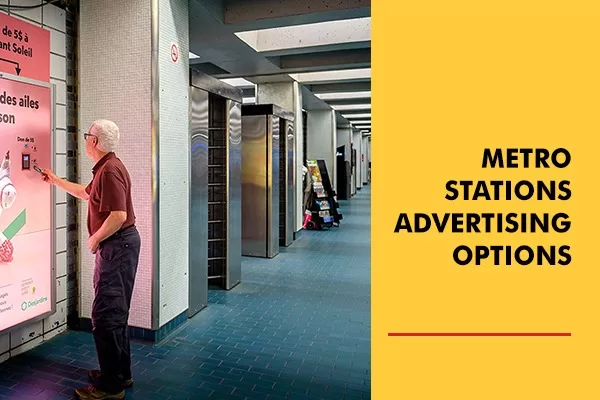
What is metro advertising and it's benefits. See common FAQ's
Metro Advertising can help you reach many tourists . They pass through populated areas such as airports, shopping…
Read article
Advertise your brand on Metro Stations | Metro Advertising
Advertise your brand on Metro Stations and reach more commuters. Check rate cards and reach your target audience
Read articleCase studies & client wins
Real campaigns we’ve delivered for UAE brands, outcomes, channels and what made them work.

Snapchat Advertising Campaigns: Strategies for Effective Results
Unlock Your Brand's Potential: Boost Engagement and Reach with Leads Dubai's Snapchat Advertising Campaigns
Read case study
Generated High-Quality Leads for a Real Estate Company.
From Strategy to Success: How Leads Dubai Generated High-Quality Leads for a Prominent Real Estate Company in UAE.…
Read case study
250+ Real Estate Leads for Dubai Property Generated (CaseStudy)
How we generated 250+ Real Estate Leads for Dubai Property Agency Generating Real Estate leads for Dubai Properties…
Read case studyOutdoor & Offline
Own the physical city: billboards, transit, malls and print across the UAE.